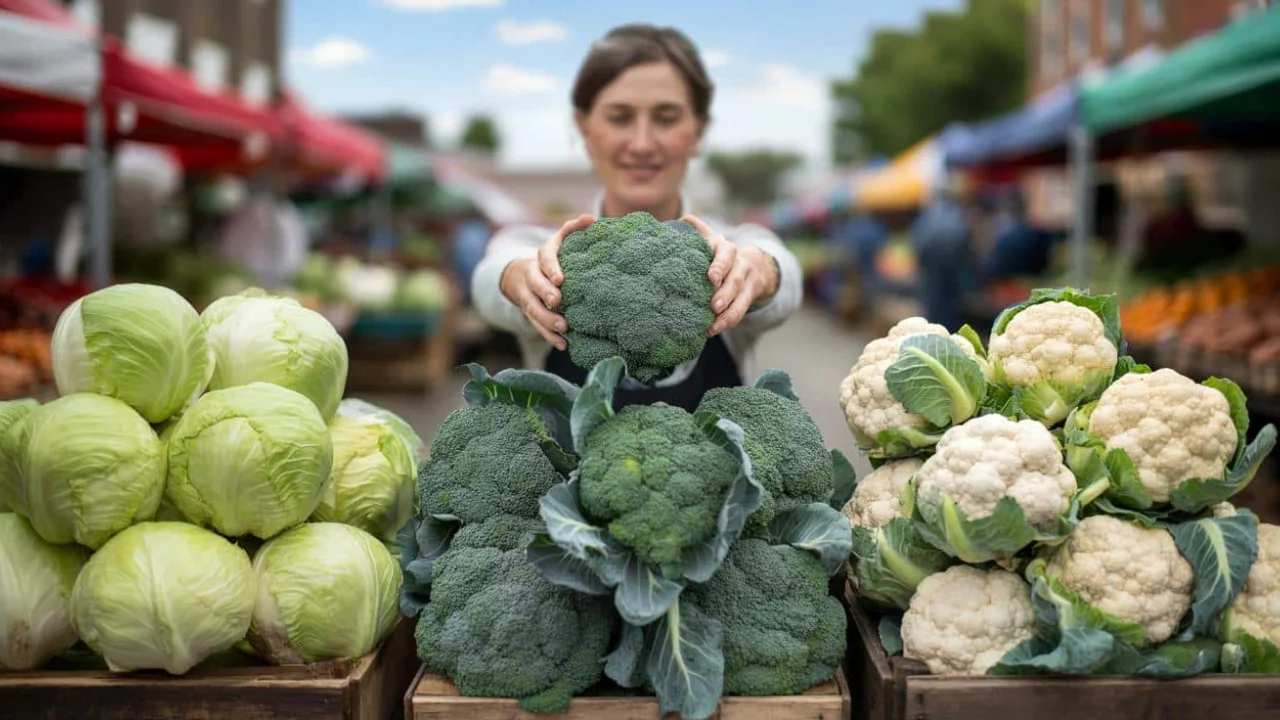
Food diversity: The idea of food diversity often begins the moment a person walks into a supermarket. Bright displays of broccoli, cauliflower and cabbage create a sense of choice, as if each item represents a completely different plant with its own story and nutritional identity. It feels natural to believe that these vegetables add instant variety to a meal plan. Yet behind these colors and shapes hides a truth that most shoppers never question. What appears to be three very different vegetables is far more connected than it looks.
When people try to improve their eating habits, many turn to vegetables that seem unrelated. This is where food diversity is commonly misunderstood. The broccoli in one recipe, the cabbage in another and the cauliflower in a third may feel like steps toward variety, but all of these vegetables share the same botanical roots. This article explores how this illusion forms, why it matters for health and how understanding the real structure of plant families can transform the way a person shops and cooks.
Understanding food diversity
Real food diversity is not measured by how many vegetables sit in a shopping basket but by how many plant families those vegetables come from. Broccoli, cauliflower and cabbage all come from a single species that humans shaped through generations of selective growing. They look different because farmers encouraged certain traits to grow stronger, such as larger leaves or more compact flower buds. This created a range of vegetables that seem unrelated but share the same origin. When consumers learn this, it becomes easier to see how their weekly meals can feel varied without offering true botanical diversity. By learning to recognize plant families, shoppers can choose foods that bring more texture, color and nutrients into their diet with less effort.

Overview Table
| Insight | What it Means |
| Many vegetables come from one species | Broccoli, cauliflower and cabbage share a single origin |
| Visual differences can hide similarities | Shape and color do not represent true variety |
| Real variety comes from plant families | Counting families increases actual diversity |
| Selective growing shaped modern vegetables | Human choice created today’s familiar forms |
| One plant can produce many forms | Small genetic changes lead to major visual differences |
| Shoppers often assume variety where none exists | Displays can create the illusion of choice |
| Nutrition can overlap in related vegetables | Similar origins can mean similar benefits |
| Expanding beyond one family increases diversity | Choosing vegetables from different groups helps health |
| Supermarkets highlight familiar families | Marketing often focuses on successful plant lines |
| Awareness leads to better eating habits | Understanding origins supports more informed choices |
One family, many faces
In the produce aisle, broccoli, cauliflower and cabbage sit together like distant cousins, each with its own shape and personality. They appear unrelated, but botanists would describe them as different expressions of the same species. Thousands of years ago, people living near rocky European coastlines discovered a sturdy wild plant and began selecting it for different traits. Plants with larger leaves eventually became cabbage. Plants with larger flower buds became cauliflower. Plants with looser buds and longer stalks became broccoli. All of these vegetables are simply parts of the same plant emphasized in unique ways, which means their differences come from human choices rather than natural separation.
When choice feels big, but stays in the same box
Many people proudly list broccoli stir fry, cabbage slaw and cauliflower rice as examples of eating more vegetables during the week. At first glance, this looks like real progress. A nutrition expert might smile, then gently draw a circle around all three dishes and label it with the name of the original plant species. The surprise that follows is understandable. The week felt full of variety, but the meals remained within a single group. This does not make these foods less healthy. They are among the most nutritious options available. The real issue is that the sense of diversity is smaller than it appears, and this misunderstanding can limit the range of nutrients a person actually consumes.
How to escape the fake variety trap in real life
True variety begins when a shopper learns to count plant families instead of individual vegetables. The cabbage family earns one point, not three. Choosing a carrot, beetroot or sweet potato brings in another family entirely. Picking up an unusual vegetable like fennel or okra adds even more diversity. These small changes shift a basket from familiar comfort to genuine range. The process is simple, and it helps a person slowly discover foods that bring new flavors, textures and colors to the table without feeling overwhelming.

The trap many of us fall into is comfort dressed up as variety
Most of the time, people shop by habit. Broccoli feels safe, cauliflower feels like a gentle change and red cabbage feels like a splash of color. These choices look new but come from the same plant line. This is why many new recipes end up feeling familiar. When someone realizes this, it becomes easier to explore other options without guilt or pressure. Every small detour toward a new plant family becomes a meaningful step toward real variety. Realizing that comfort foods can disguise themselves as variety helps people break out of predictable patterns.
Seeing the supermarket with new eyes
Once a person understands that many vegetables on the shelf share the same origin, the supermarket begins to look different. The abundance appears curated instead of wildly diverse. Some shoppers feel surprised by this discovery, while others feel inspired. If one species can produce so many edible forms, nature has much more to offer beyond the cabbage family. This awareness helps shoppers become more curious about foods they used to overlook. Instead of buying the same trusted vegetables every week, they start asking what else is available. This shift brings more creativity into cooking and more variety into everyday meals.

FAQs
Are broccoli, cauliflower and cabbage really from the same plant?
Yes. They are all forms of the same species that humans shaped to highlight different plant parts.

Do these vegetables offer identical nutrition?
They share many nutrients, but each has slight differences based on which part of the plant was developed.
Should people stop eating these vegetables if they offer limited diversity?
No. They are very healthy. The goal is to add vegetables from other plant families as well.
How can someone increase real variety without thinking too hard?
Choose one or two cabbage family vegetables, then add two items from completely different plant families.

Does the illusion of variety show up in other foods?
Yes. Many products come from the same small set of species, from grains to dairy products.