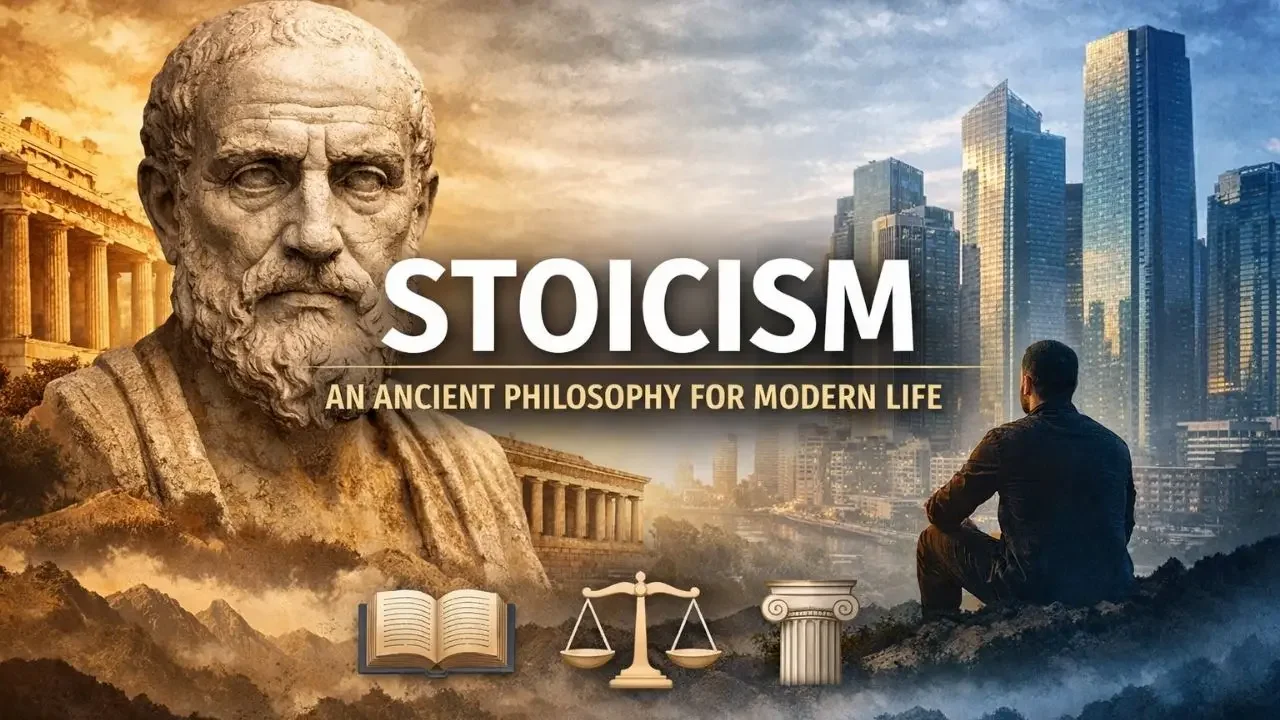
Word of the Day: Word of the Day is more than a daily phrase. It is a way to understand ideas that influence how people think and live. Word of the Day today brings attention to Stoicism, a philosophy that feels deeply connected to modern life. In a time filled with uncertainty, pressure, and constant change, Stoicism offers calm, clarity, and a practical way to respond to everyday situations.
This article explores why Stoicism keeps appearing in headlines, classrooms, and conversations about mental strength. It looks at where Stoicism began, what it teaches, and how its ideas are being used today. The goal is to explain this ancient philosophy in clear, simple language that feels useful and relevant.
Word of the Day
The Word of the Day highlights Stoicism as a concept that blends history with real-life application. At its core, Stoicism teaches people to focus on what they can control and let go of what they cannot. This mindset has become popular again because it fits modern challenges like workplace stress, emotional burnout, and leadership pressure.
Unlike short-term self-help trends, Stoicism is built on a strong ethical foundation that has lasted for centuries. It encourages thoughtful action, emotional balance, and personal responsibility. Many readers searching for meaning, stability, and mental resilience are turning to Stoic ideas because they offer guidance without false promises. This renewed interest shows why Stoicism continues to be discussed across psychology, education, and personal development platforms today.

Overview Table
| Topic Area | Key Insight |
| Philosophy Type | Ancient ethical philosophy |
| Origin Place | Athens, Greece |
| Time Period | Around 300 BCE |
| Founder | Zeno of Citium |
| Main Focus | Control of thoughts and actions |
| View on Emotions | Managed through reason |
| Core Value | Moral character |
| Famous Thinkers | Seneca, Epictetus, Marcus Aurelius |
| Modern Use | Mental health and leadership |
| Relevance Today | Stress and resilience management |
What Stoicism Means and Where the Term Comes From
Stoicism is a school of philosophy that focuses on rational thinking, ethical behavior, and emotional steadiness. The term comes from the Stoa Poikile, or Painted Porch, a public space in ancient Athens where philosophers met to discuss ideas about life and virtue.
The main lesson of Stoicism is simple. Some things are within personal control, such as thoughts, decisions, and actions. Other things, like health, wealth, and public opinion, are not. Stoicism teaches that much emotional pain comes from trying to control what cannot be controlled. By shifting focus inward, people can reduce stress and think more clearly.
How Stoicism Developed Over Time
Stoicism was founded by Zeno of Citium, who wanted philosophy to guide everyday living. His teachings were practical and meant for ordinary people, not just scholars.
As Stoicism spread from Greece to Rome, it adapted to new environments. Roman thinkers connected Stoic ideas with leadership, law, and civic duty. This adaptability allowed Stoicism to remain useful across different cultures and time periods, helping it survive long after many other philosophies disappeared.

Figures Who Shaped Stoic Thought
Three thinkers played a major role in shaping Stoicism as it is known today.
- Seneca focused on ethics, power, and wealth, showing how moral values could exist within public life.
- Epictetus taught that freedom comes from mastering personal judgments, not external conditions.
- Marcus Aurelius wrote personal reflections on leadership, discipline, and responsibility during times of crisis.
Their writings remain widely read because they address real human struggles.
Core Ideas That Define Stoicism
Stoicism is built on a small set of clear principles that guide daily behavior.
- Take responsibility for personal thoughts and actions
- Accept events that cannot be changed
- Use reason to guide emotional responses
- Measure success by character, not status
These ideas are meant to be practiced, not just understood.

Stoicism’s Relationship With Emotions
Stoicism does not teach emotional suppression. Stoic philosophers believed emotions are natural but become harmful when driven by incorrect beliefs. Fear, anger, and frustration often come from how events are interpreted.
By examining thoughts and correcting false judgments, emotions become calmer and more balanced. This approach closely matches modern cognitive psychology techniques used to manage stress and anxiety.
Why Stoicism Is Being Revisited Today
Stoicism is gaining attention in mental health discussions, leadership training, and professional development. Its focus on internal control appeals to people living in uncertain conditions.
Modern applications include stress management programs, executive coaching, military training, and sports psychology. The philosophy offers realistic guidance by teaching control over reactions rather than outcomes.

Stoicism in Simple Language
In everyday terms, Stoicism teaches people to stay calm, act with purpose, and accept reality without resentment. It promotes effort without obsession and patience without passivity.
This simplicity has helped Stoicism remain relevant across cultures and generations.
FAQs
What is the Word of the Day Stoicism about?
The Word of the Day Stoicism explains an ancient philosophy that teaches emotional balance, self-control, and ethical living.
Is Stoicism useful in modern life?
Yes, Stoicism is widely used today for stress management, leadership, and personal growth.

Does Stoicism mean ignoring emotions?
No, Stoicism teaches understanding emotions and guiding them with reason.
Who were the main Stoic philosophers?
Seneca, Epictetus, and Marcus Aurelius are the most influential Stoic thinkers.
Why is Stoicism trending now?
People are seeking practical tools to handle stress, uncertainty, and mental pressure.