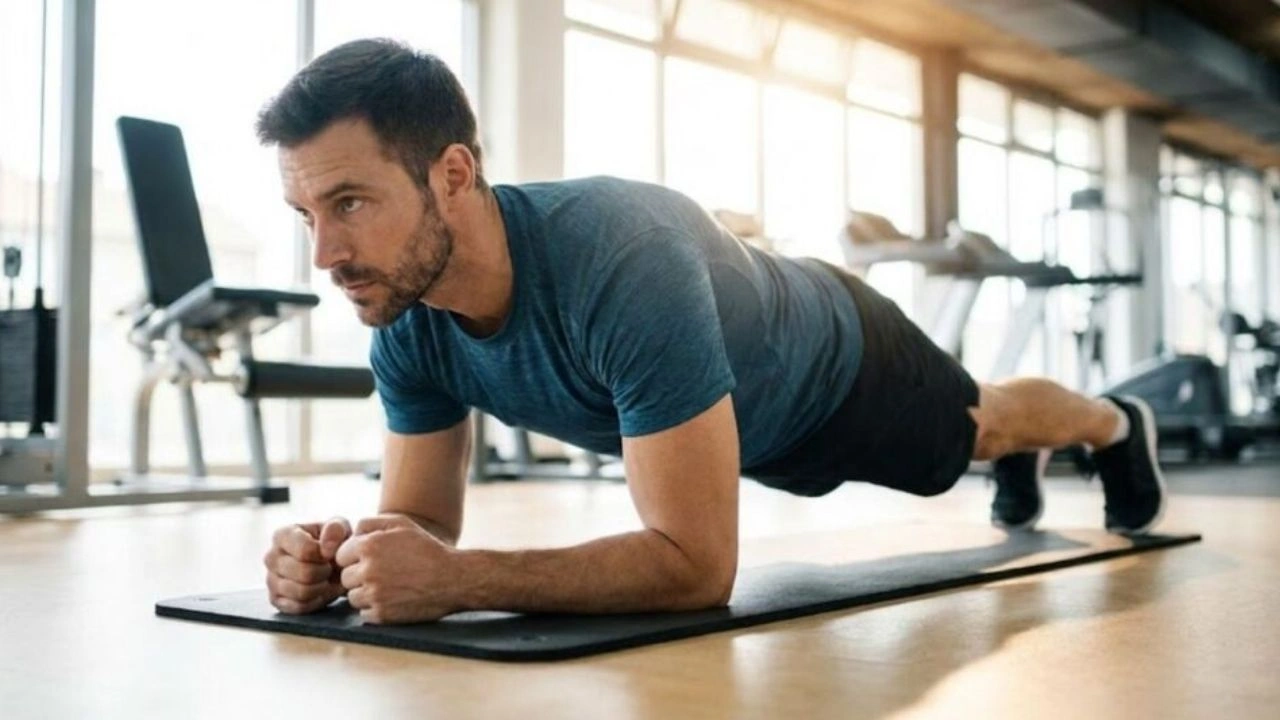
The feeling of settling into a plank is familiar. Your forearms press into the floor, your core tightens, and your breath falls into a slow rhythm. At that moment, the question always comes up. How long should this actually last? Finding the right plank hold timing can feel confusing because every body, every age group, and every day brings different needs. Your goal is not to chase a number but to hold long enough to build real core strength without slipping into strain.
In this article, you will learn how plank hold timing works for different ages, why form matters more than duration, and how to recognize when to stop. This guide breaks everything into simple, clear steps so you can train smarter, protect your back, and build strength that supports you in daily life.
Understanding plank hold timing for every age group
Finding the right plank hold timing is about paying attention to form, stability, and how your body responds on a given day. Some people feel strong with short, clean holds, while others are ready for slightly longer sets. Age, recovery, past injuries, and general activity level all shape the timing that works best. This section explains why each age group benefits from a specific range and how these small adjustments help you progress without discomfort. No matter your age, the goal is to hold only as long as your body stays aligned, steady, and supported.
Overview Table: Key Glance at Plank Hold Timing
| Topic Insight | Key Takeaway |
| What planks train | Deep core stability and spinal support |
| Why timing matters | Prevents fatigue and protects form |
| Teens timing | 20 to 40 seconds with focus on alignment |
| 20s to 30s timing | 30 to 60 seconds with steady breathing |
| 40s timing | 20 to 45 seconds while managing stiffness |
| 50s timing | 15 to 40 seconds with slower recovery |
| 60s and beyond timing | 10 to 30 seconds with safe modifications |
| When to stop | When hips drop or breath becomes tight |
| Daily routine tip | Short sessions spread through the day |
| Main benefit | Stronger, safer, more responsive core |
What a plank is really training inside your body
A plank looks still from the outside, but inside your core a lot is happening. Your deep stabilizing muscles turn on together to support your spine and keep your body aligned from head to heels. The transverse abdominis, pelvic floor, diaphragm, and spinal stabilizers all coordinate at the same time. These muscles respond best to calm and controlled engagement, not long shaky holds. This is why clean form has more value than chasing a record.

Why longer is not always better
There is a common idea that longer planks are always more impressive, but this is not true for functional strength. After a certain point, you are no longer building stability. You are simply training your body to tolerate discomfort. As fatigue creeps in, your hips drop, shoulders rise, and your lower back begins to carry load it should not handle. This is when a plank stops helping and starts hurting. Shorter, high quality sets always create better results than one long, shaky plank.
How age changes the plank equation
Age affects how your muscles respond, how fast you recover, and how steady your joints feel. These changes are normal. They do not mean weakness. They simply require small adjustments in timing and intensity. When you follow timing that suits your age, you build strength in a safe and steady way without fighting against your body.
Teens and late teens
Teens usually adapt quickly, making this the best stage to learn alignment. Plank holds of 20 to 40 seconds done two to four times help build a strong foundation. The focus should be on understanding form rather than pushing for longer holds.
Your 20s and 30s
Most people feel physically strong during these years. Recovery is fast and progression is steady. The best timing range is 30 to 60 seconds for three to five sets each week. A common mistake is pushing too long and losing form. Breaking long attempts into shorter rounds produces better strength results.

Your 40s
In your 40s, stiffness shows up earlier and past injuries may feel more noticeable. Holding planks for 20 to 45 seconds works well for most people. Some days you may hold longer, and some days shorter. Consistency matters far more than the length of one specific hold.
Your 50s
Recovery usually slows during this stage, and your body responds best to controlled movement. Hold planks for 15 to 40 seconds with two to three sets per session. Focus on alignment and ease rather than effort. This approach keeps your core strong without stress on the lower back.

Your 60s and beyond
Strength at this age is completely possible. It simply benefits from safer adjustments. Timing of 10 to 30 seconds works best, especially when paired with incline planks or knee planks. These variations reduce joint pressure while still challenging your core in a meaningful way.
How to know when your plank should end
Your plank is no longer useful when your form begins to break. Look for early signs such as hips dipping toward the floor, shoulders rising toward your ears, breath becoming shallow, or tension building in your neck. Ending the set at that moment is not quitting. It is smart training that protects your spine and supports long term strength.

Making planks part of daily life
Planks do not need long training sessions. They fit easily into a normal day. One short hold before breakfast, one after work, and one in the evening can build impressive strength over time. The key is simple. Hold only as long as your body stays honest and aligned. Rest and repeat. These small moments build real, lasting core support.
Benefits of knowing the right plank hold timing
- Helps you avoid lower back strain
- Improves core strength with clean form
- Supports your posture throughout daily tasks
- Builds confidence in movement
- Helps your body adapt safely at any age
FAQs
How long should beginners hold a plank?
Beginners should start with 10 to 20 seconds to build proper form before increasing time.
Is it better to hold one long plank or several short ones?
Several short high quality holds are better for strength and safer for the lower back.
Should planks be done every day?
Yes, as long as your body feels rested and your form stays sharp.

Is a two minute plank necessary?
No. Most people build better strength with shorter, cleaner holds.
Are knee planks effective?
Yes. Knee planks are a safe way to build core strength while protecting your joints.